Transformative Cosmetic Veneers
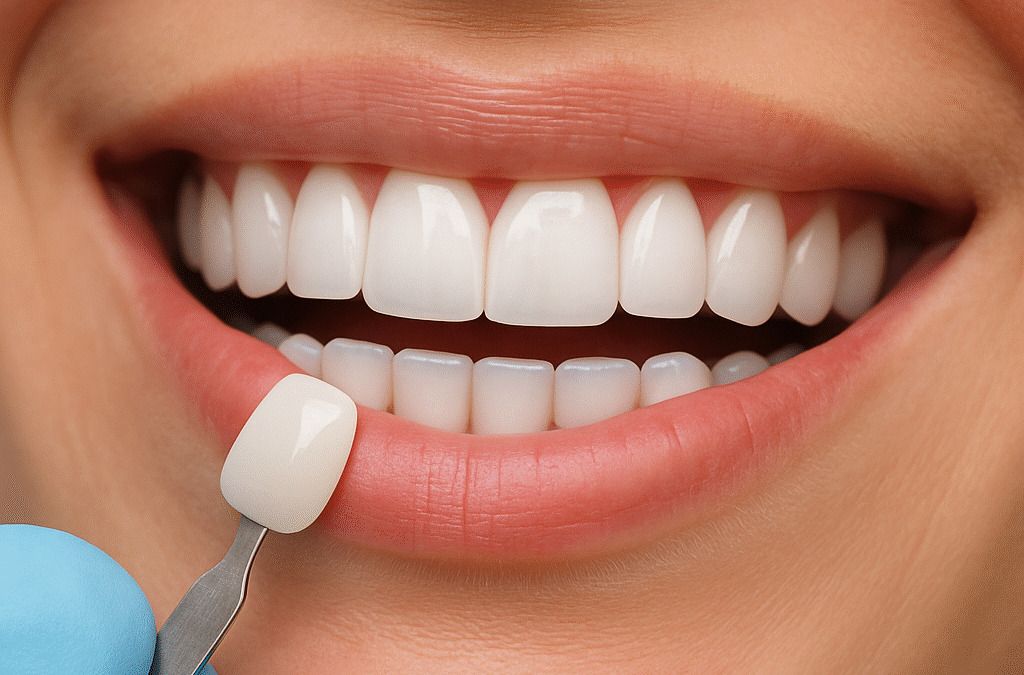
Dental veneers are ultra‑thin shells of porcelain or composite resin bonded to the front surface of teeth. They correct chips, gaps, worn edges, minor misalignment and persistent discoloration to create a balanced, natural-looking smile. Veneers are a highly aesthetic option when conservative colour and shape changes are required.
Types & Materials
- Porcelain veneers: Highly aesthetic, stain‑resistant and long‑lasting. Custom fabricated in the lab for excellent translucency and shade matching.
- Composite veneers: Applied directly by the dentist and shaped chairside. More economical and repairable, but may stain sooner than porcelain.
- Lumineers / ultra‑thin options: Minimal preparation veneers that preserve more enamel in suitable cases.
The veneer process
- Consultation & planning: We review goals, take photographs and, where needed, digital scans to plan shape and shade.
- Tooth preparation: A small amount of enamel is shaped to create space for the veneer. For ultra‑thin veneers, little or no preparation may be required.
- Impression & temporary: For porcelain veneers we take impressions for the lab and fit a temporary if required.
- Bonding: At the final visit veneers are carefully bonded, trimmed and polished. Occlusion and contacts are adjusted for comfort and function.
Are veneers right for me?
Ideal candidates have generally healthy teeth and gums and seek aesthetic improvement for the front teeth. Veneers are not recommended when there is significant decay, uncontrolled grinding (bruxism) without protection, or insufficient enamel for bonding. We discuss alternatives such as whitening, orthodontics or crowns depending on your needs.
Longevity & maintenance
With good oral hygiene and regular dental reviews, porcelain veneers can last 10–15 years or longer. Composite veneers typically require more frequent touch-ups.
- Maintain excellent brushing and flossing habits.
- Wear a nightguard if you grind your teeth.
- Avoid using teeth as tools and limit very hard foods to reduce risk of chipping.
Risks & expectations
Veneers are cosmetic restorations and carry small risks: sensitivity after preparation, colour mismatch if restorations elsewhere are not adjusted, and the potential need for replacement after many years. We set realistic expectations using digital previews or mock‑ups before treatment.
Alternatives
Depending on the issue, alternatives include professional whitening, composite bonding, orthodontics to correct alignment, or crowns when greater tooth structure replacement is needed.
Planning your smile
We use aesthetic planning tools photos, digital mockups and trial restorations so you can preview results and refine shape and shade before committing to treatment. Clear communication and a conservative approach deliver predictable outcomes.
Frequently asked questions
- Will veneers look natural?
- Yes — porcelain veneers are crafted to mimic natural enamel translucency and are colour‑matched for a realistic appearance.
- Do veneers require drilling?
- Most veneers require minimal enamel removal. Some ultra‑thin options require little or no drilling; suitability is assessed at consultation.
- How much do veneers cost?
- Cost varies by material and complexity. We provide a personalised estimate at consultation and can discuss staged treatment and payment options.