Safe, Comfortable Tooth Extractions
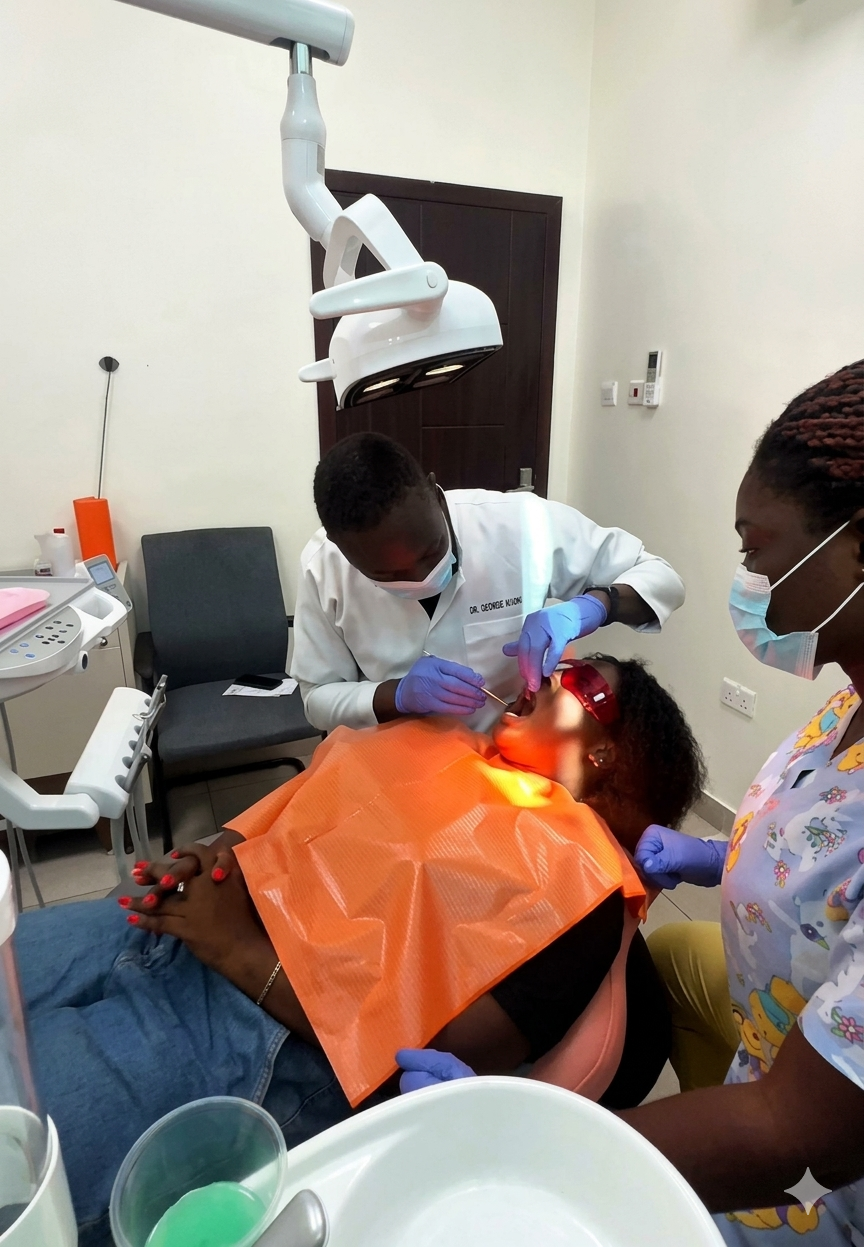
Tooth extraction is sometimes the most appropriate way to relieve pain, treat infection or prepare the mouth for restorative or orthodontic care. At Sinolle Dental Clinic we use modern techniques, local anaesthesia and optional sedation to keep you comfortable and to promote rapid healing.
When extraction may be recommended
- Irreversibly damaged tooth from decay or fracture that cannot be restored.
- Advanced gum disease causing mobile teeth.
- Impacted wisdom teeth causing pain or infection.
- Space requirements for orthodontic treatment.
- Non‑restorable failed root canal treatment (when retreatment is not suitable).
Types of extraction & anaesthesia
Extractions are classified as simple or surgical:
- Simple extraction: Performed on visible teeth using forceps after local anaesthesia.
- Surgical extraction: For broken, impacted or submerged teeth — may require a small incision and removal of bone.
We use local anaesthesia as standard. Where appropriate, conscious sedation (oral or inhalation) or nitrous oxide can be arranged for anxiety or complex procedures — discuss options at your consultation.
What to expect during the appointment
- Pre‑procedure check: Review medical history, medications and informed consent.
- Anesthesia & comfort: Local anaesthetic is applied; sedation if planned.
- Extraction: The tooth is loosened and removed. For surgical cases small incisions or bone removal may be necessary.
- Closure & instructions: We may place sutures if needed and provide written aftercare guidance and prescriptions.
Risks, alternatives and follow-up
Extractions are common and generally safe, but risks include bleeding, infection, dry socket (alveolar osteitis), nerve or sinus irritation in some cases. When possible we discuss alternatives such as root canal therapy or restorative options that may preserve the tooth.
Follow‑up appointments ensure healing and allow timely planning for replacement options (implants, bridges or partial dentures) if required.
Aftercare — first 48 hours
- Bite on the gauze provided for 30–60 minutes; change only when instructed.
- Avoid rinsing, spitting or using a straw for 24 hours to protect the blood clot.
- Use a cold compress on the cheek intermittently for the first 6–8 hours to reduce swelling.
- Take prescribed pain relief and antibiotics (if given) exactly as directed.
Ongoing care & signs to watch for
- After 24 hours, gentle rinsing with warm saline (salt water) can be started to aid healing.
- Soft foods and good hydration are recommended for a few days.
- Contact us if you have severe pain not controlled by medication, heavy bleeding, fever or swelling that worsens after 48 hours.
Practical information
Appointment length varies: simple extractions often take 20–40 minutes; surgical cases take longer. Bring a list of medications and escorts if sedated. We provide clear cost estimates during consultation and itemised receipts for claims.
Frequently asked questions
- Will extraction be painful?
- With local anaesthesia most patients feel pressure but no sharp pain during the procedure. Some discomfort after the anaesthetic wears off is normal and manageable with medication.
- How long until I can eat normally?
- Soft foods for 2–3 days are advised. Most patients resume normal eating within a week, depending on complexity.
- When can I have a dental implant?
- Timing varies: immediate implants are possible in selected cases; often we wait several weeks to months for socket healing before planning an implant.